The Duty of CNC Machining Providers in Modern Production and Engineering Solutions
CNC machining services have come to be important in contemporary manufacturing and design. They give accuracy and effectiveness, allowing the development of complex components with marginal human oversight. This innovation not only decreases manufacturing time and prices however likewise deals with the increasing needs of different markets. As technology evolves, the landscape of CNC machining is established to alter even more - jig and fixture tooling. The ramifications of these developments necessitate closer exam
Recognizing CNC Machining: A Summary
CNC machining, a keystone of contemporary manufacturing, includes the use of computer-controlled devices to specifically cut and form materials. This innovation integrates sophisticated software and equipment to automate the manufacturing procedure, guaranteeing high precision and efficiency. CNC, which represents Computer Numerical Control, permits operators to input thorough specifications that lead the machine in carrying out complex designs.
Numerous materials, including wood, metal, and plastic, can be machined, making CNC versatile throughout different markets. The procedure starts with a digital design, normally produced making use of CAD software, which is equated right into equipment language for execution.
CNC machining includes numerous strategies, such as milling, turning, and boring, each matched for details applications. The adoption of CNC innovation has actually transformed production abilities, making it possible for manufacturers to produce elaborate get rid of very little human intervention. Therefore, it has actually come to be a necessary part in sectors ranging from aerospace to auto.
Benefits of CNC Machining in Production
CNC machining offers significant advantages in manufacturing, especially when it come to accuracy and precision, which boosts item top quality. In addition, it is cost-effective, enabling lowered manufacturing prices while keeping high criteria. Its convenience in handling various materials further underscores its value in modern-day production procedures.
Precision and Accuracy
In modern-day production, precision and accuracy are extremely important, and progressed machining methods play a necessary function in accomplishing these goals. CNC machining services offer unrivaled consistency in manufacturing, permitting makers to create complex parts with exact requirements. By using computer mathematical control, these makers get rid of human mistake, making sure that each component fulfills rigid tolerances. The repeatability of CNC machining makes it possible for services to create large amounts of similar items without giving up high quality. Moreover, progressed software application used in CNC procedures enables detailed styles and fast modifications, enhancing adaptability in the manufacturing procedure. Ultimately, the accuracy and precision provided by CNC machining greatly add to boosted product dependability and performance, promoting technology and meeting the ever-evolving needs of numerous industries.
Cost-Effectiveness
Cost-effectiveness sticks out as a significant benefit of CNC machining in the production sector. By automating the machining process, business can lower labor costs and reduce human mistake, which brings about higher effectiveness. CNC machines run continually and can produce parts at a much faster price than conventional techniques, eventually decreasing manufacturing costs. In addition, the accuracy supplied by CNC machining reduces material waste, guaranteeing that resources are used effectively. Because of this, companies can accomplish greater revenue margins while preserving high-grade criteria. The capability to produce complex designs with marginal arrangement time more boosts price effectiveness. Generally, CNC machining provides a compelling solution for suppliers looking for to maximize their procedures and stay competitive in a requiring market.
Convenience in Products
Adaptability in products is a characteristic of modern CNC machining, permitting makers to deal with a vast variety of compounds, including steels, plastics, wood, and composites. This capacity makes it possible for the manufacturing of diverse parts customized to particular application requirements. As an example, aluminum and stainless steel can be machined for durable industrial components, while plastics are excellent for corrosion-resistant and lightweight applications. Wood machining deals with the furniture and attractive markets, while composites use strength-to-weight advantages in aerospace and vehicle industries. The capacity to switch in between materials without substantial reconfiguration improves workflow effectiveness and reduces lead times. Inevitably, this convenience equips manufacturers to innovate and satisfy evolving market needs, solidifying CNC machining's function as a foundation of contemporary design services.
Secret Industries Benefiting From CNC Machining Solutions
CNC machining services play an essential function in numerous vital sectors, especially aerospace and defense, as well as vehicle part manufacturing. These sectors depend on the accuracy and performance of CNC modern technology to fulfill strict cnc turning service top quality and safety standards. The ability to generate intricate get rid of tight resistances placements CNC machining as an essential tool in contemporary manufacturing.
Aerospace and Defense Applications
In the high-stakes domain of aerospace and defense, accuracy and reliability are critical, making CNC machining services crucial. These solutions make it possible for the manufacturing of intricate components with exacting resistances, essential for aircraft, satellites, and military equipment. CNC machining helps with the development of lightweight yet durable parts, typically using sophisticated materials such as titanium and carbon fiber. The capability to quickly model and manufacture elements speeds up the growth cycle, ensuring that vital systems are both effective and reliable. CNC innovation improves repeatability, decreasing the risk of human mistake and making sure constant top quality throughout big production runs. As the aerospace and protection markets increasingly adopt automation, CNC machining solutions will certainly proceed to play a critical role in meeting strict regulatory standards and functional needs.
Automotive Part Manufacturing
The automobile industry, just like aerospace and protection, depends greatly on accuracy engineering to satisfy the demands of modern-day manufacturing. CNC machining solutions play an essential role in creating premium automobile components, such as engine components, transmission real estates, and custom-made fittings. These solutions make it possible for suppliers to attain tight tolerances and complex geometries, essential for enhancing car efficiency and security. The ability to quickly adapt styles and produce prototypes with CNC machining speeds up development within the sector. Additionally, the scalability of CNC machining enables both little set manufacturing and large-scale manufacturing, providing to varied market demands. As electric and autonomous lorries gain grip, the reliance on CNC machining is poised to grow, even more strengthening its value in automotive component production.
The CNC Machining Process: From Layout to Manufacturing
Changing an electronic layout right into a tangible product involves a series of accurate action in the CNC machining process. Originally, engineers utilize computer-aided style (CAD) software program to produce a thorough electronic model of the desired element. This model is then transformed into a format suitable with CNC equipments, normally via computer-aided production (CAM) software program. The CNC equipment interprets this information to lead its operations.
Once the design is prepared, the chosen product is protected in the CNC equipment. The machining process starts, involving numerous techniques such as milling, transforming, and drilling, where devices remove product to shape the component according to specs. Throughout production, the equipment constantly changes and keeps track of for precision, assuring the end product meets the layout criteria.
After machining, components undertake finishing procedures such as sanding or finish to boost performance and aesthetic appeals. This organized method guarantees that top notch parts are produced effectively and precisely.
Advancements and Fads in CNC Machining Modern Technology
As advancements in modern technology proceed to form the production landscape, CNC machining is observing significant advancements that improve effectiveness and precision. One famous trend is the assimilation of artificial knowledge and equipment discovering, enabling adaptive machining processes that maximize tool paths and decrease cycle times. Furthermore, the adoption of sophisticated products, such as composites and lightweight alloys, broadens the abilities of CNC makers, enabling the manufacturing of intricate geometries with better strength-to-weight have a peek at this website proportions.
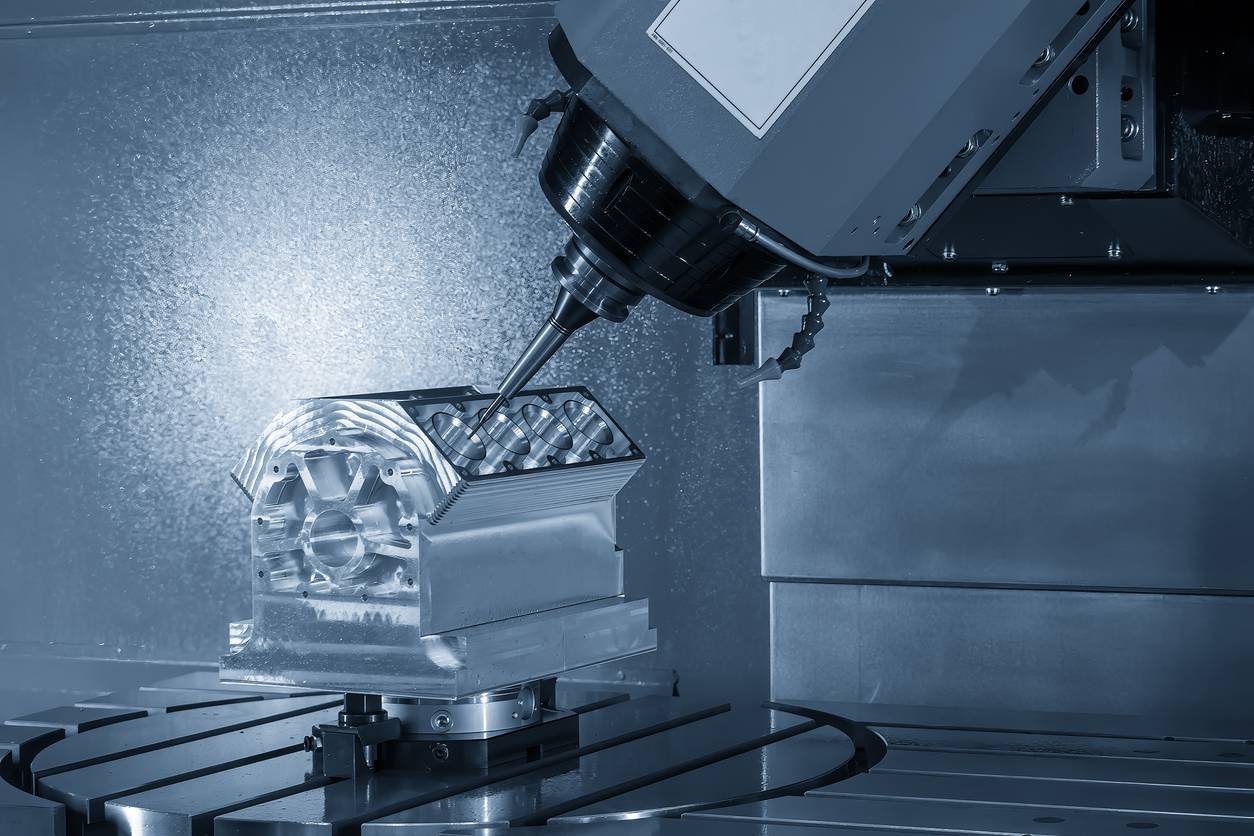
In addition, cloud computer and IoT (Internet of Things) technologies facilitate real-time monitoring and data analysis, leading to predictive maintenance and minimizing downtime. Automation through robotics is also becoming increasingly widespread, simplifying operations and enhancing safety and security in manufacturing atmospheres. Finally, the surge of 5-axis machining uses unparalleled adaptability and accuracy, enabling the production of complex parts in a solitary arrangement. These developments jointly place CNC machining at the leading edge of modern production services.
Future Outlook: The Progressing Duty of CNC Machining in Engineering Solutions
CNC machining is positioned to play an increasingly vital function in design remedies as industries embrace sophisticated innovations and advancing market needs. As automation and clever production gain traction, CNC machining services are expected to integrate with Internet of Things (IoT) devices and synthetic intelligence (AI) to improve accuracy and performance. This integration will enable for real-time surveillance and anticipating maintenance, decreasing downtime and enhancing manufacturing performance.
Furthermore, the increase of personalized production will certainly demand even more flexible CNC systems with the ability of adapting to small batch production with fast turn-around times. Sustainability problems will likewise drive developments in CNC machining, motivating the development of environment-friendly materials and processes.
Eventually, CNC machining will certainly remain to evolve, attending to the intricacies of contemporary design challenges while offering scalable and cost-efficient remedies that meet the varied requirements of sectors varying from aerospace to health care.
Often Asked Questions
What Products Can CNC Machining Work With?
CNC machining can function with a range of materials, consisting of steels like steel, titanium, and light weight aluminum, as well as plastics such as acrylic and nylon. In addition, wood and compounds are likewise ideal for CNC machining processes.
How Do I Select a CNC Machining Provider?
When choosing a CNC machining service supplier, one should consider their experience, devices quality, material capacities, customer evaluations, turnaround times, and prices. A comprehensive contrast assures the selected copyright meets details project demands effectively.
What Is the Normal Turn-around Time for CNC Machining Projects?
Typical turnaround times for CNC machining jobs vary, typically varying from a few days to several weeks, depending upon task complexity, product availability, and the service supplier's work. Timelines should be confirmed directly with the chosen provider.
Are There Minimum Order Quantities for CNC Machining Services?
Just How Does CNC Machining Ensure Precision and Accuracy in Manufacturing?
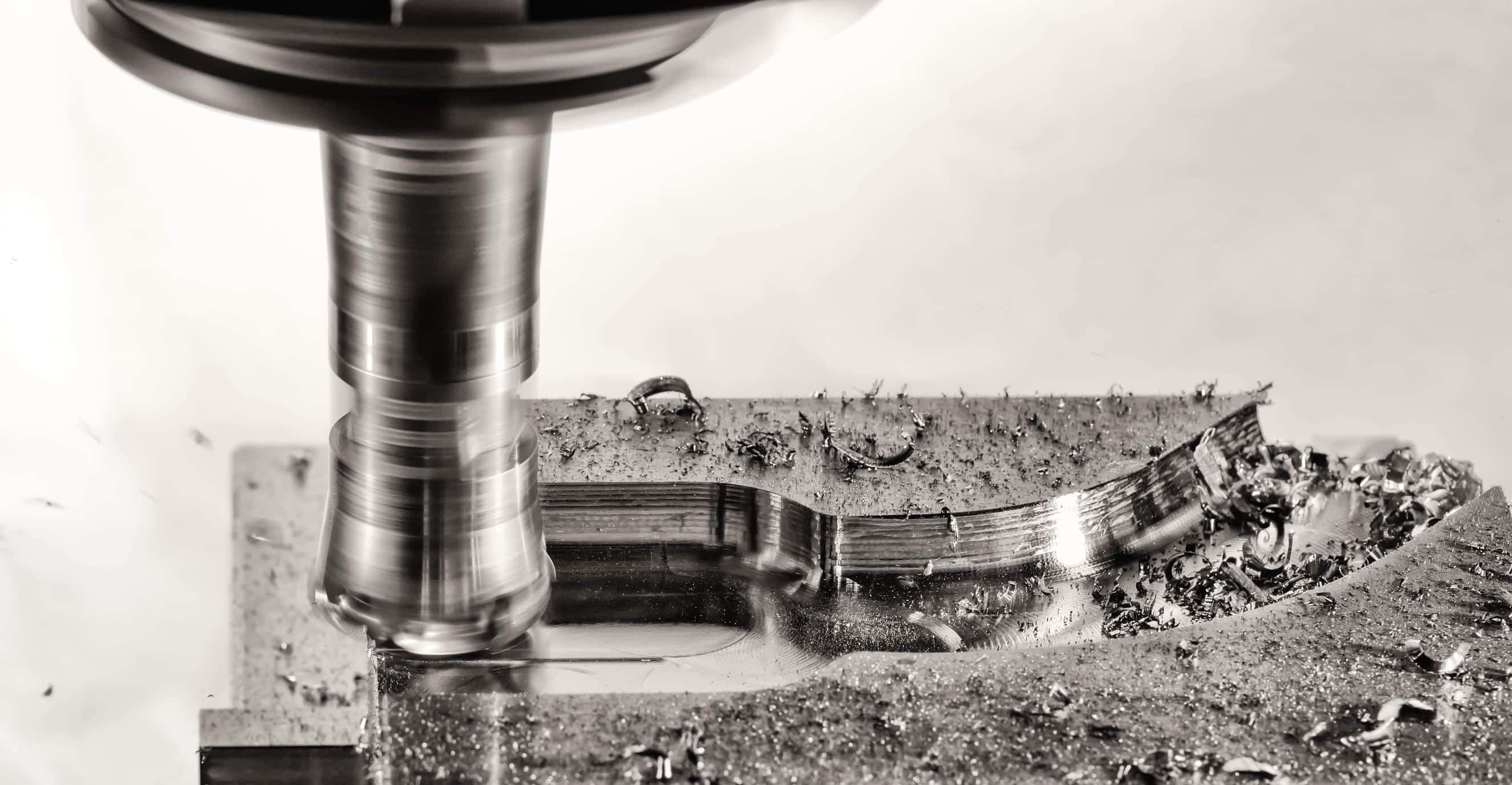
CNC machining assurances precision and precision through computer-controlled procedures, which lessen human error. Advanced software program and high-grade machinery facilitate specific measurements, regular duplication, and intricate layouts, leading to superior components that meet rigorous specs and resistances.
CNC machining, a foundation of modern production, involves the usage of computer-controlled tools to specifically cut and form materials. CNC machining solutions provide unparalleled uniformity in production, enabling manufacturers to develop complex components with exact specs. CNC machining solutions play a vital role in numerous key sectors, particularly aerospace and protection, as well as automobile part production. Furthermore, the scalability of CNC machining allows for both tiny batch production and large manufacturing, catering to varied market needs. As automation and wise production gain grip, CNC machining services are expected to integrate with Web of Points (IoT) devices and synthetic knowledge (AI) to boost precision and effectiveness.
Comments on “A detailed manual to implementing fast prototyping in your workflow”